
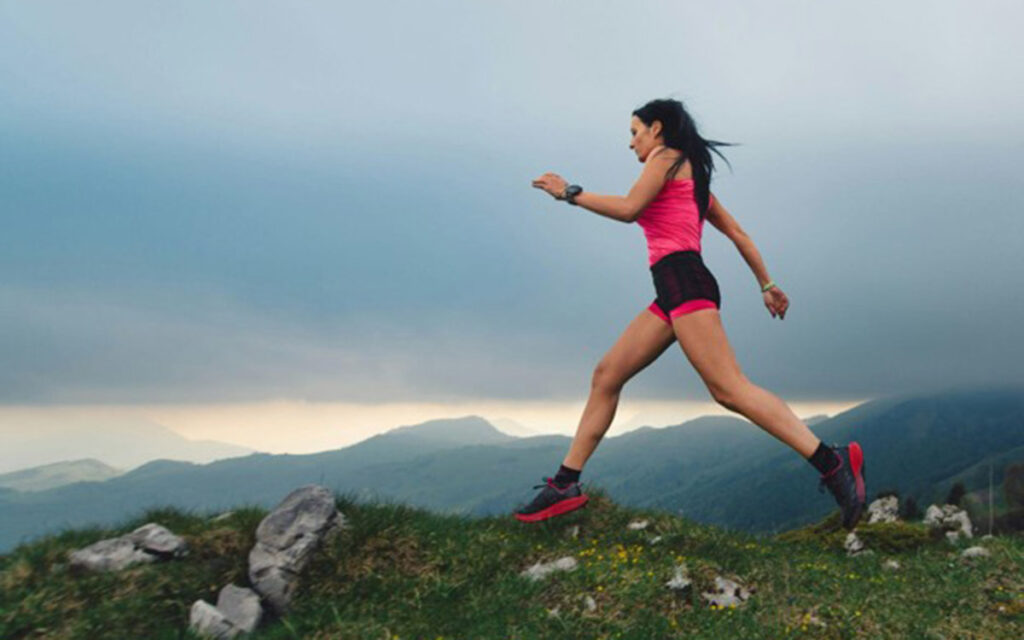
Dina Alborano has watched the world of endurance sport shift its center of gravity toward understanding how the body learns to work harder with less oxygen. High-altitude simulation was once confined to national training centers and Olympic labs but is now central to programs built for distance runners, snowshoe racers, cyclists, and cross-country skiers who need every physiological edge they can find.
The technology mimics the thin air of mountain peaks at sea level, coaxing the body into producing more red blood cells, sharpening oxygen delivery, and building a tolerance for stress that translates directly into faster finishing times. Understanding why this works, but not the same way for everyone, requires a look at the biology involved as well as the discipline it takes to apply it correctly.
What Hypoxic Training Does to the Body
Altitude, in physiological terms, is really a conversation around oxygen availability. As elevation increases, barometric pressure drops, and the amount of oxygen the lungs can pull from each breath falls with it. Athletes who train or sleep in these conditions, whether on an actual mountain or inside a chamber engineered to replicate one, trigger a cascade of adaptations including increased production of erythropoietin, greater hemoglobin mass, and improved capillary density in working muscles.
Over weeks, these changes allow the body to transport and use oxygen more efficiently even after returning to normal air. A narrative review of live high, train low altitude training has shown measurable performance gains among elite endurance athletes using this method.
Hypoxic tents, chambers, and masks attempt to reproduce the environment without requiring an athlete to relocate to Boulder or Flagstaff for a training block. Simulated systems have gained credibility precisely because they remove the logistical burden of natural altitude while still activating many of the same pathways.
Why Individual Response Varies So Widely
No two athletes adapt to reduced oxygen in quite the same way, and this variability is where much of the nuance in altitude science lives. Genetic factors, baseline fitness, iron status, and even sleep quality all influence how strongly a person responds to hypoxic exposure. Some athletes see substantial gains in hemoglobin mass within a few weeks, while others show little measurable change despite following an identical protocol.
“What surprises most athletes is that altitude simulation isn’t a switch you flip and forget,” says Alborano, who has spent years working directly with runners and snowshoe athletes. “It’s closer to a math problem where every variable, sleep, hydration, and iron levels, has to be solved before the equation produces a real result.”
Building a Protocol That Matches the Athlete
The research on intermittent hypoxic exposure versus continuous hypoxic training is still a genuinely contested area among exercise physiologists, and that debate matters for anyone designing a real-world program. Some studies point to overnight exposure of twelve hours or more as the threshold needed to meaningfully increase red blood cell volume, while other findings suggest shorter, more intense hypoxic intervals paired with specific workouts can produce comparable benefits with less disruption to daily life.
A broad review of hypoxic training methods for improving endurance exercise performance outlines both camps and points out that neither approach is universally superior. Alborano leans toward a hybrid model for the athletes she works with.
“I never ask an athlete to choose between living their life and doing the protocol correctly,” she says. “The system has to bend around the person, because a program nobody can sustain for six weeks isn’t actually a program.”
Consistency outperforms intensity when it comes to hypoxic adaptation, so an athlete who commits to a moderate, sustainable exposure schedule for a full training cycle will typically see more durable gains than one who pushes an aggressive altitude setting for a handful of sessions before abandoning it under fatigue.
The Role of Recovery and Oxidative Stress
High-altitude simulation places real stress on the body, and that stress carries a cost if recovery protocols lag behind the training load. A study examining oxidative stress and muscle damage from simulated hypoxic training in elite long-distance runners found that oxidative load increased alongside altitude, meaning higher simulated elevations demand correspondingly greater attention to sleep, nutrition, and antioxidant support.
“Altitude simulation gives you an adaptation, but it also gives you a bill,” Alborano says. “If you don’t pay attention to recovery, you end up training fatigue instead of fitness.”
Her methodology folds in structured deload periods and close monitoring of resting heart rate and sleep quality, treating those metrics as early warning signs that an athlete’s hypoxic dose needs adjustment before performance suffers.
Where Simulation Fits into a Modern Training Calendar
Altitude simulation systems have become accessible enough that recreational marathoners and weekend racers now use versions of the same technology once reserved for national teams. Commercial altitude training systems marketed to endurance athletes range from full sleeping tents to portable masks, each offering a different balance of convenience and physiological impact.
The proliferation of these tools has made the underlying science more relevant to a wider audience, even as questions surrounding optimal dosing are an active area of research. For competitive athletes weighing whether to invest in a hypoxic training block ahead of a key race, the current body of evidence suggests real, if variable, benefit.
Improvements in oxygen-carrying capacity, buffering ability, and time-to-exhaustion have all been documented across multiple studies, though the size of the effect depends heavily on protocol design and individual biology. What separates athletes who benefit meaningfully from those who see little change comes down to the quality of the plan behind the technology as opposed to the technology itself.
As altitude simulation continues moving from niche laboratory tools to mainstream training methods, the athletes and coaches getting the most from it exhibit patience with the process and respect for how individualized the science truly is. Long-term, methodical exposure, matched to a person’s specific physiology and monitored closely for signs of overreach, is the clearest path to translating thin air into faster finish times.
Dina Alborano is a New Jersey-based elite runner and extreme snowshoe athlete specializing in human performance enhancement through high-altitude simulation. A former secondary math teacher with degrees from Northwestern, Villanova, and Stony Brook, she brings a data-driven, evidence-based approach to endurance training. Bilingual in English and Spanish.
This article is for informational purposes only and does not constitute medical or professional training advice. Consult a physician or qualified coach before beginning any altitude simulation or hypoxic training program.