
Cooperstown Dreams Park, a long-standing destination for youth baseball tournaments and team development, has observed for decades how shared rituals shape team identity, cohesion, and performance in youth athletics. As a setting where players from diverse backgrounds come together under intense competitive and emotional conditions, the park offers a clear view into how teams form bonds quickly and operate as unified groups. The importance of youth sports team rituals cannot be overstated.
From pregame routines to postgame reflections, rituals provide structure amid pressure and unfamiliar surroundings, helping young athletes understand expectations, roles, and collective responsibility. These practices extend beyond talent or strategy alone, creating consistency, trust, and emotional grounding that influence how teams communicate, respond to challenges, and perform together on and off the field.
These youth sports team rituals are essential in fostering team spirit and enhancing performance.
Why Rituals Matter in Youth Sports
Rituals create predictability in environments defined by pressure and uncertainty, offering young athletes a sense of stability when circumstances feel unfamiliar. Youth sports often involve new opponents, changing venues, and heightened emotional stakes that can disrupt focus and confidence.
Rituals anchor athletes to familiar actions and shared meaning, helping them regulate emotions and settle into competition. When teams repeat behaviors together, they reinforce belonging and reduce anxiety by reminding players they are part of something larger than the moment. In youth settings, rituals also establish clear standards without lengthy explanation.
They communicate expectations around preparation, respect, and accountability through consistent action. Athletes internalize values by participating, learning what matters through repetition. Over time, this shared practice strengthens cohesion, reinforces trust, and creates a sense of purpose that extends beyond individual performance.
Building Identity Through Shared Practice
Team identity forms through repeated collective experiences. Rituals such as warm-up sequences, group meetings, or symbolic gestures create a shared language. These practices distinguish one team from another and help athletes feel part of something larger than themselves.
Young athletes often struggle with confidence in competitive settings. Rituals counter this by reminding players of their preparation and unity. Familiar routines signal readiness and reinforce trust in teammates. Over time, these shared practices contribute to a stable team identity that persists through wins and losses.
“Rituals help young athletes understand that preparation and unity matter as much as talent,” says an official spokesperson of Cooperstown Dreams Park.
Emotional Regulation and Performance Stability
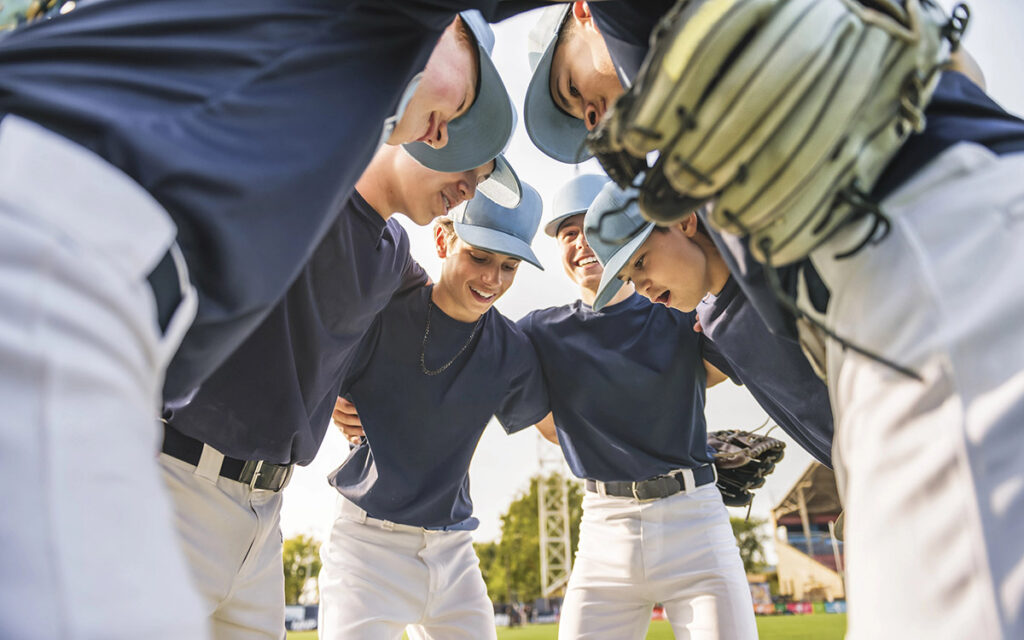
Competition triggers strong emotions. Excitement, nervousness, and disappointment can disrupt focus if unmanaged. Rituals help regulate emotional responses by offering a structured outlet before and after games. Breathing routines, visualization moments, or team huddles provide opportunities to reset mentally.
Emotional regulation supports better decision-making on the field. Athletes who feel grounded respond more effectively to challenges and mistakes. Rituals act as transition points that separate preparation from performance and performance from reflection. This separation reduces lingering stress and supports resilience.
Teams that maintain consistent rituals often display steadier performance under pressure. Players rely on familiar cues to regain focus, reinforcing confidence during critical moments.
Reinforcing Accountability and Respect
Rituals also communicate behavioral standards. Practices such as punctual arrival, shared clean up, or postgame acknowledgments reinforce accountability. These actions demonstrate respect for teammates, opponents, and the game itself.
In youth sports, accountability is learned through repetition rather than instruction alone. Rituals make expectations visible and collective. When every player participates, standards feel shared rather than imposed. This collective ownership strengthens trust and mutual respect.
Notes a team member at Cooperstown Dreams Park, “When rituals are respected, young athletes learn that commitment applies to everyone equally. This reinforces fairness and integrity within team culture.”
Strengthening Communication and Trust
Effective communication relies on building trust in youth sports teams. Rituals create predictable opportunities for interaction that support open dialogue. Team meetings or reflection circles encourage athletes to listen, share, and learn from one another.
Trust develops when players experience consistency in how teams prepare and respond. Rituals signal reliability. Athletes know what to expect from teammates and leaders, reducing uncertainty. This predictability supports collaboration during high-pressure situations.
Youth athletes benefit from environments where communication feels safe and structured. Rituals provide that framework, allowing voices to be heard without chaos or confusion.
Rituals as Teaching Tools
Rituals offer powerful teaching moments. Coaches and mentors use them to reinforce lessons around effort, discipline, and sportsmanship. Because rituals are repeated, messages become ingrained rather than forgotten.
Young athletes often remember experiences more vividly than instructions. Rituals attach meaning to actions, helping lessons endure. A consistent pregame focus routine teaches preparation. A reflective postgame practice teaches accountability and growth.
“Rituals turn values into habits that young athletes carry with them long after competition ends,” says the official spokesperson for Cooperstown Dreams Park.
Adapting Rituals Across Teams and Contexts
Effective rituals are flexible rather than rigid. They evolve with team needs, age groups, and circumstances. Successful teams adjust practices to maintain relevance without losing consistency.
Youth sports environments benefit from rituals that are inclusive and age-appropriate. Simple routines encourage participation and prevent exclusion. Adaptability ensures that rituals support development rather than become distractions.
The goal is continuity of purpose rather than strict adherence to form. When rituals align with team values, they remain effective even as conditions change.
Long-Term Impact of Ritual-Driven Culture
Rituals shape how young athletes approach challenges beyond sports. The habits formed through team routines influence academic settings, social interactions, and future leadership roles. Athletes learn the value of preparation, respect, and collective effort.
A strong team culture grounded in ritual supports personal growth. Players develop confidence in their ability to contribute consistently. They learn to rely on process rather than outcome, fostering resilience.
Teams that prioritize ritual-driven culture often experience deeper connection and sustained motivation. These benefits extend beyond any single season or tournament.
Cultivating Meaning Through Consistency
The power of sports rituals lies in their simplicity and consistency. Repeated actions create meaning, reinforce values, and strengthen relationships. In youth athletics, these practices shape how teams function and how individuals grow.
By embedding rituals into daily routines, teams create environments where young athletes feel supported and focused. The result is youth sports team culture development that values preparation, unity, and respect.
When rituals guide team culture, sports become a platform for character development as well as competition, leaving lasting impressions that extend far beyond the field.