
What you eat after working out matters more than most people think. Once you finish lifting weights or doing a cardio workout, your body hits a short window where it just soaks up nutrients more efficiently. Getting the “right” post-exercise meal can speed up recovery, refill your energy, and help you make steady progress at the gym. Including a good post strength training meal is essential for optimal recovery.
Different types of exercise put different demands on your body. Strength training really takes it out of your muscles and burns through your amino acid supply, while cardio drains your glycogen stores. That means you’ll want a different meal plan depending on the workout. Figuring out these differences helps you choose the right foods after lifting vs cardio sessions.
A well-planned post strength training meal can make a significant difference in your results.
Daily meal planning is a challenge for many athletes. This can be solved with the help of convenient and nutritionally balanced solutions, like the Ideal Nutrition healthy food delivery service offers. Every chef-cooked meal comes prepared in ready-to-eat packages and delivered straight to your door.
How The Workout Style Affects Nutrient Requirements
Pushing yourself with weights usually leaves you with microtears within muscle fibers. Building those back up requires quality protein, especially the amino acids you can’t produce on your own. Carbs still matter, but after lifting, it’s the protein that does most of the heavy lifting.
With cardio, the story changes. You mostly burn through stored carbs (glycogen), and longer runs or rides also spark more oxidative stress. This is where antioxidant-packed foods and electrolytes come in. The right mix depends on which fuel system you just relied on – so your post-workout food needs to match.
Why Recovery Nutrition Matters
Eating the right meal at the right time can totally change how you feel in your next workout. The right nutrients help your muscles bounce back, keep soreness down, and keep your hormones on track. If you skip refueling, you’ll end up stuck in that tired, cranky state longer than you need to.
Over the long haul, tiny choices about post-workout food add up. That’s why steady post-training meals pay off – you just recover better and push harder workout after workout. If you want results, recovery meals aren’t optional.
What Happens to Muscles After Strength Training?
Lifting weights leaves muscles with intentional damage – those tiny microtears. Your body needs amino acids, especially leucine, to put them back together. Muscle protein synthesis goes up right after resistance training, which makes it the perfect time to grab some protein.
You’re also using up some energy stores (like phosphocreatine and glycogen), so you’ll want to top those off, too. Having carbs with your protein boosts the muscle-rebuilding effect and helps reload your tank for the next round.
Pushing your muscles to the limit is what sparks growth, but all that hard work means nothing if you don’t give your muscles enough food to build back up. After a lifting session, you want to be sure you’re not running on empty – the sooner those nutrients land, the better.
What Really Happens to the Body After Cardio Workouts?
Whether it’s a slow jog or a killer HIIT session, cardio runs right through your glycogen stores. The longer or harder your training, the more those reserves drop. So after a big cardio workout, refilling those carbs should be your top priority if you don’t want to feel wiped or risk overdoing it next time.
Cardio also ramps up oxidative stress, which can leave you more sore and inflamed. That’s where foods like berries, dark leafy greens, and citrus can make a difference – they’re loaded with antioxidants that help you recover better.
All that sweating means you lose a lot of sodium and potassium. Getting those minerals back – through water, electrolyte drinks, or foods like oranges or bananas – can help keep cramps and dizziness at bay.
What to Eat After Strength Training
Proteins That Get the Job Done
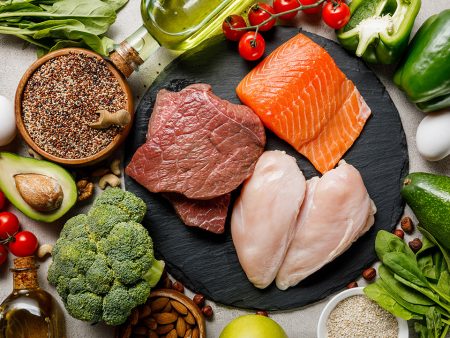
You want real, high-quality protein after you lift. Chicken, Greek yogurt, cottage cheese, whey, tofu, eggs – pick what works. Aim for 20 to 40 grams to start the rebuilding process.
Carbs That Help Your Muscles Grow
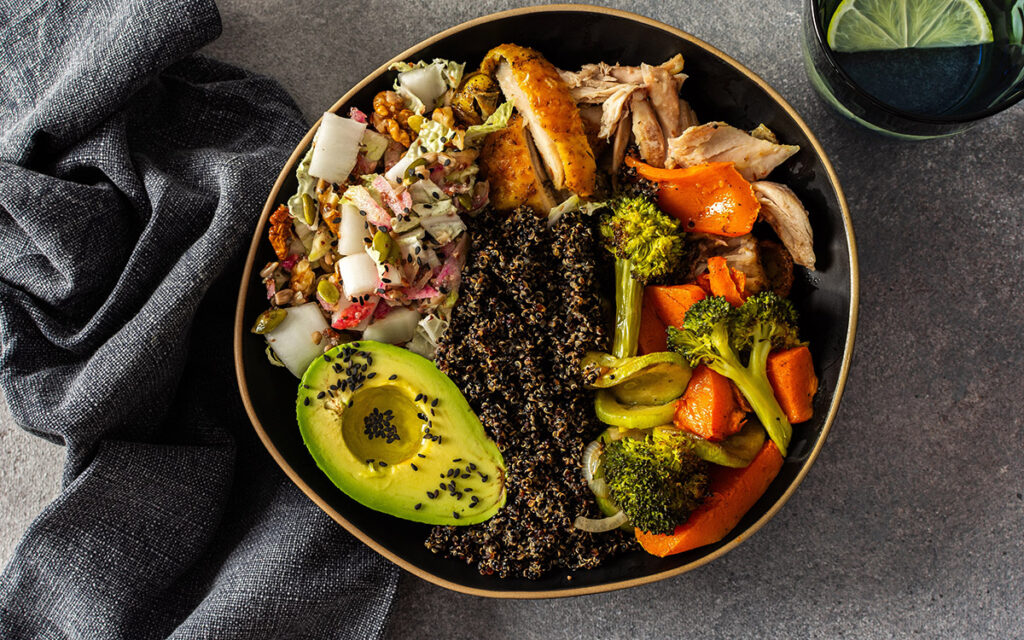
Carbs don’t take center stage post-lifting, but they aren’t useless. They help shuttle protein into your muscles and reload glycogen. Sweet potatoes, fruit, quinoa, and whole grains all work great.
Fats That Support Recovery
You don’t need to rush healthy fats right after training, but they do support recovery and keep hormones in check. Add in avocado, some nuts, chia seeds, or a drizzle of olive oil.
Sample Post Strength Training Meals
|
Meal |
Components |
|
Grilled chicken bowl |
Chicken, quinoa, spinach, olive oil |
|
Whey smoothie |
Whey protein, banana, berries, Greek yogurt |
|
Tofu stir-fry |
Tofu, brown rice, vegetables |
What to Eat After Cardio Workouts
Fast-Digesting Carbs for Glycogen Replenishment
Carbohydrates come first after cardio. Fast-digesting ones like fruit, rice, oatmeal, or whole wheat toast can help refill what you lost and get your energy back up fast.
Lean Protein for Recovery
Protein still matters, but you need less of it compared to after lifting. Around 10 to 25 grams does the trick, just enough to keep your muscles happy without making you feel weighed down.
Hydration and Getting Those Electrolytes Back
Grab coconut water, toss in some electrolyte powder, or reach for foods like bananas and oranges – they naturally restore lost minerals. And don’t wait to rehydrate. Start drinking water as soon as possible and sip throughout the day.
Strength vs. Cardio: How Post-Workout Nutrition Shifts
Macronutrient Balance
Strength training sessions call for meals higher in protein, while cardio workouts need more carbs to recover properly. The mix always includes both, but the priorities shift depending on the exercise.
When to Eat
It doesn’t matter if you’re lifting or doing cardio – aim to eat within an hour after you work out. That’s when your body’s most ready to consume what you give it and bounce back faster.
Conclusion
Matching what you eat to how you train helps you recover quicker and see better progress. Feeding your body exactly what it needs, right when it needs it, just makes the process a little bit easier.